How AI Is Transforming the Beauty Industry?
Artificial intelligence is no longer just a futuristic concept in tech labs; it has become a fundamental driver of innovation across the beauty and wellness sector. From hyper-personalized skincare routines to virtual makeup try-ons, smart technology is redefining how consumers discover, evaluate, and purchase beauty products, while simultaneously transforming business operations for salons, spas, and global brands.
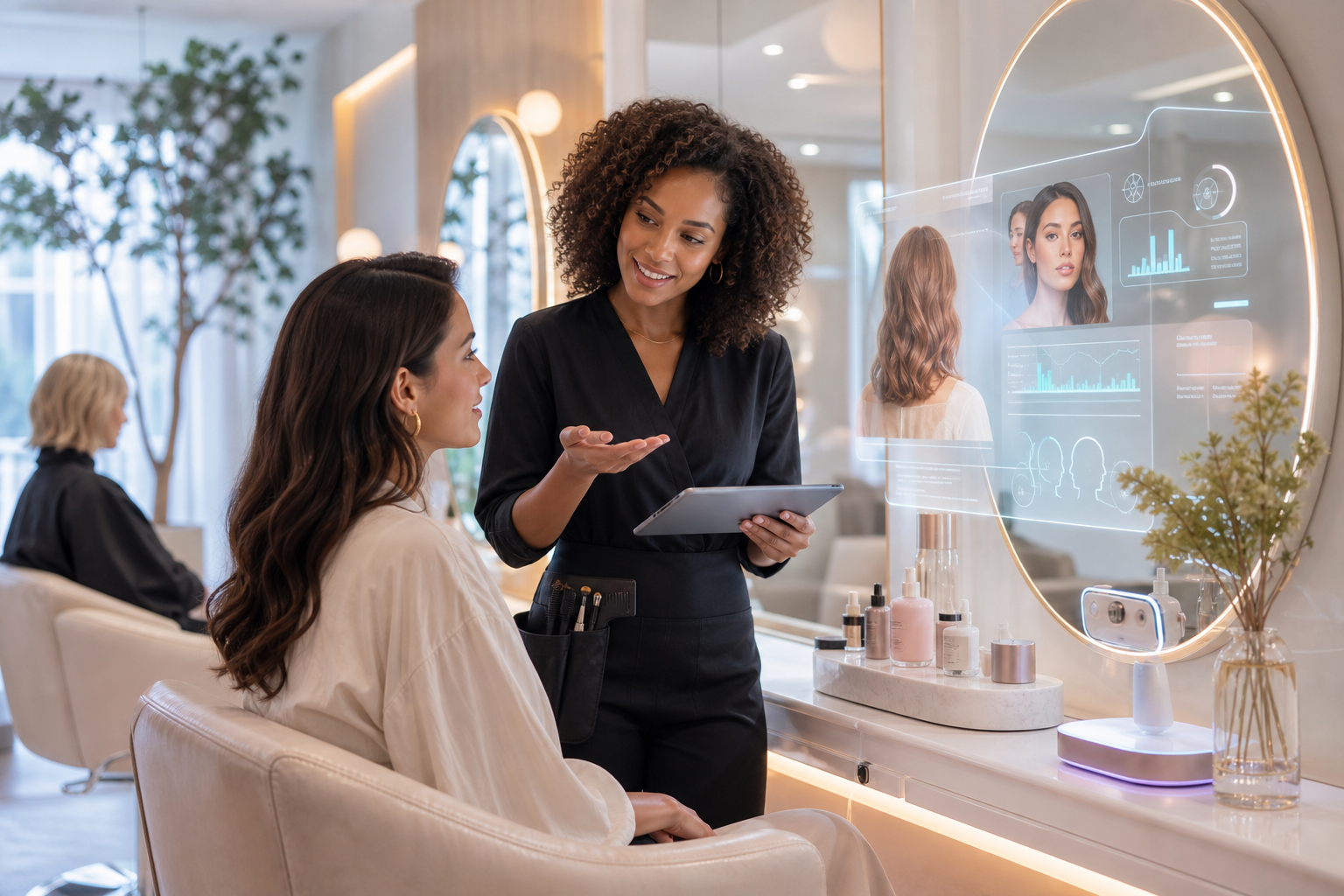
At the core of this transformation is hyper-personalization. Traditional beauty retail often relied on broad categories like “oily,” “dry,” or “combination” skin. Today, AI-powered skin analysis tools evaluate high-resolution photos or live video feeds to analyze micro-concerns such as sub-surface pigmentation, moisture levels, elasticity, and wrinkle depth. By matching these unique parameters with vast ingredient databases, algorithms can generate customized formulation recommendations tailored specifically to an individual’s unique biological needs and environmental exposure.
For salons, spas, and aesthetic clinics, AI serves as an indispensable operational assistant. Intelligent booking systems go far beyond traditional scheduling by predicting peak operational hours, matching clients with specialists based on past treatment history, and offering automated follow-ups. Furthermore, predictive inventory management software helps salon owners track product usage in real time, reducing waste and ensuring high-demand retail items remain in stock. These efficiencies free beauty professionals from time-consuming administrative tasks, allowing them to focus on delivering high-touch, creative customer experiences.
Marketing and customer engagement have also seen dramatic upgrades. Virtual try-on (VTO) applications leverage augmented reality and computer vision to allow consumers to experiment with hair colors, lipstick shades, and cosmetic adjustments in real time from their smartphones. This interactive experience bridges the gap between digital browsing and in-store testing, significantly boosting buyer confidence and reducing product return rates. Concurrently, generative AI assists brands in producing personalized marketing campaigns, tailored beauty advice, and 24/7 virtual consultation chat support.
As the beauty industry continues to evolve, the distinction between technology and aesthetics will become increasingly seamless. Rather than replacing human artistry, AI acts as a powerful co-pilot—amplifying professional expertise, sharpening operational precision, and making personalized care accessible to everyone. Embracing these digital tools enables beauty businesses to build deeper customer trust, stay competitive, and thrive in an increasingly tech-driven marketplace.