Predictive AI in Personalized Skincare Formulations: How It Works
The Role of Predictive AI in Personalized Skincare Formulations
Personalized skincare is moving from a luxury trend to a practical reality, and predictive AI in personalized skincare formulations is helping drive that change. Instead of relying on broad product categories like “dry skin” or “anti-aging,” brands can now use data to create products tailored to individual needs, preferences, and skin conditions.
This shift is transforming how skincare is developed, tested, and recommended. It is also changing customer expectations. People want products that fit their skin, not just products that claim to work for everyone.
What Predictive AI Brings to Skincare
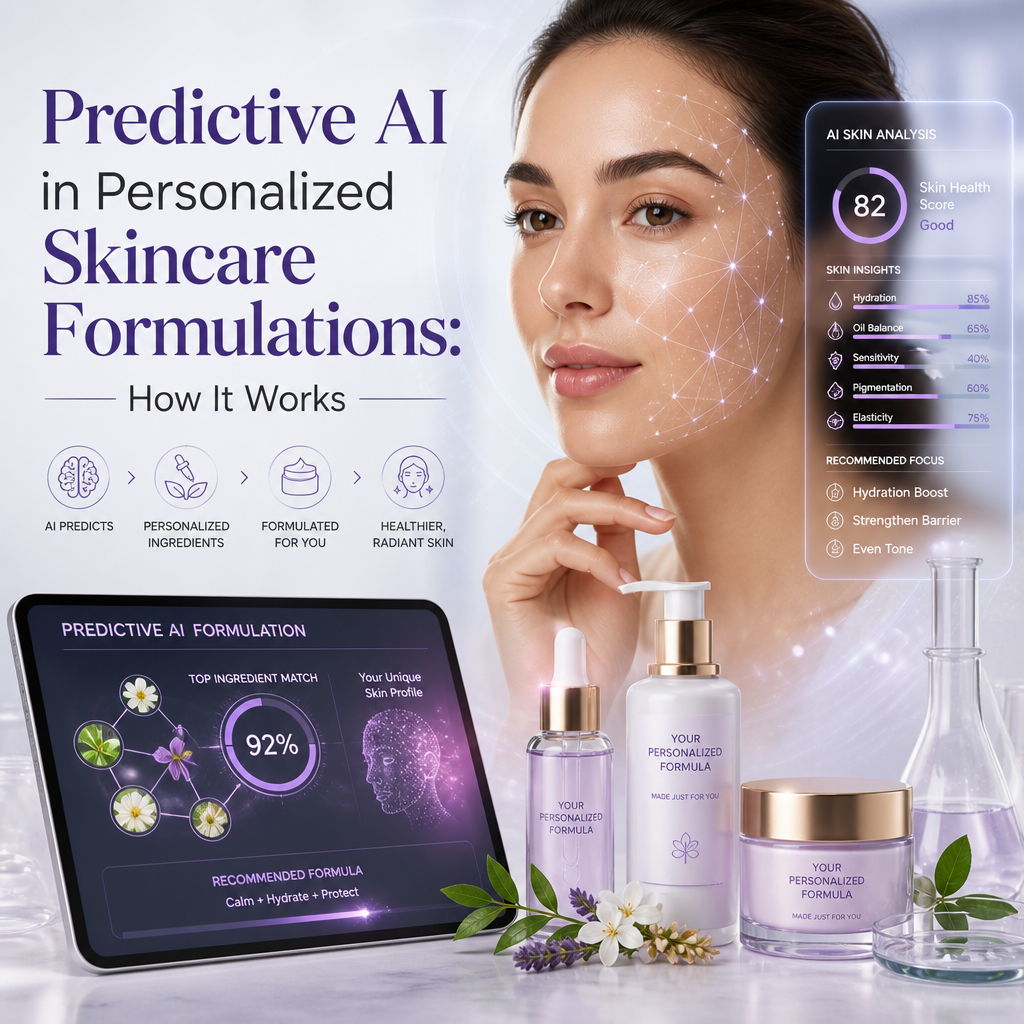
Predictive AI uses data patterns to forecast outcomes. In skincare, that means analyzing information such as skin type, environmental exposure, lifestyle habits, ingredient sensitivity, and even historical product responses.
With this information, AI can help predict:
- Which ingredients are most likely to benefit a specific person
- How a formula may perform over time
- Which combinations may cause irritation
- How external factors like climate or pollution affect skin needs
This makes skincare formulation more precise. Rather than guessing, brands can build products backed by data-informed predictions.
Why Personalization Matters
No two skin profiles are exactly alike. Even people with similar skin types may react differently to the same ingredients. One person may need more hydration, while another may need barrier support or oil control.
Personalization matters because skin changes constantly. It can be influenced by:
- Weather and seasonal shifts
- Stress and sleep patterns
- Hormonal changes
- Diet and hydration
- Age and lifestyle habits
Predictive AI in personalized skincare formulations helps account for these variables. That means a serum, moisturizer, or cleanser can be designed around a user’s current and likely future needs, not just a general skin category.
How Predictive AI Supports Formulation Development
Developing a skincare product usually involves many rounds of testing and adjustment. Predictive AI can streamline this process by identifying promising ingredient combinations before large-scale production begins.
Ingredient Selection
AI can evaluate large ingredient databases and compare them with user data to suggest the best formulation options. For example, it may identify calming ingredients for sensitive skin or recommend lightweight humectants for oily skin.
Stability and Compatibility
Some ingredients work well together, while others do not. Predictive models can flag potential conflicts early, helping formulators avoid unstable blends or ineffective combinations.
Performance Forecasting
AI can also estimate how a formula might perform across different user groups. This is especially useful when a brand wants to personalize products for multiple skin concerns without creating entirely separate product lines.
Benefits for Brands and Consumers
The biggest advantage of predictive AI in personalized skincare formulations is that it improves both product relevance and product performance.
For Brands
- Faster product development
- Better use of research and testing resources
- More targeted product recommendations
- Stronger customer loyalty through personalization
- Reduced trial-and-error in formulation
For Consumers
- Products that better match skin needs
- Fewer wasted purchases
- Lower risk of irritation from unsuitable ingredients
- More confidence in routine choices
- A skincare routine that can adapt over time
This creates a more efficient experience for everyone involved. Brands can make smarter decisions, and consumers get products that feel more tailored and effective.
Real-World Applications
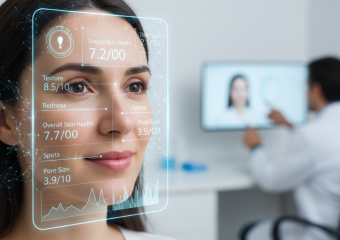
Predictive AI is already being used in several parts of the skincare industry. Some brands use skin analysis tools that assess facial images and questionnaires to suggest custom routines. Others use machine learning to refine existing formulations based on customer feedback and usage data.
In advanced cases, AI helps create:
- Custom moisturizers based on local climate
- Serums designed for specific concerns like pigmentation or redness
- Cleansers matched to skin sensitivity and oil production
- Routine bundles adjusted for morning, evening, or seasonal use
These examples show how predictive AI is expanding the possibilities of personalized beauty.
Challenges to Keep in Mind
While the potential is exciting, predictive AI is not perfect. Skincare is complex, and models are only as good as the data they receive. Poor data quality can lead to weak recommendations or incomplete formulations.
There are also important concerns around:
- Privacy and data protection
- Transparency in how recommendations are made
- Bias in training data
- Overpromising results from AI-based personalization
For predictive AI to succeed in skincare, brands need to use it responsibly and pair it with scientific expertise. AI should support formulators, not replace dermatological knowledge or ingredient safety standards.
The Future of Personalized Skincare
As data tools become more advanced, predictive AI will likely play an even bigger role in product development. Future skincare may be more responsive, more adaptive, and more precise than ever before.
We may see formulations that update based on changing skin conditions, routines that evolve with the seasons, and products built around real-time user input. In that future, personalized skincare will not just mean choosing from a menu of options. It will mean creating formulas that truly reflect the individual.
Conclusion
The rise of predictive AI in personalized skincare formulations is making skincare smarter, more efficient, and more individualized. By analyzing data and forecasting outcomes, AI helps brands develop better products and gives consumers solutions that fit their unique skin needs.
As the technology continues to evolve, personalized skincare will become less about broad claims and more about measurable, tailored results.