AI Beauty Platforms: The Next Big Wave in Global Aesthetics
AI Beauty Platforms: The Next Big Wave in Global Aesthetics
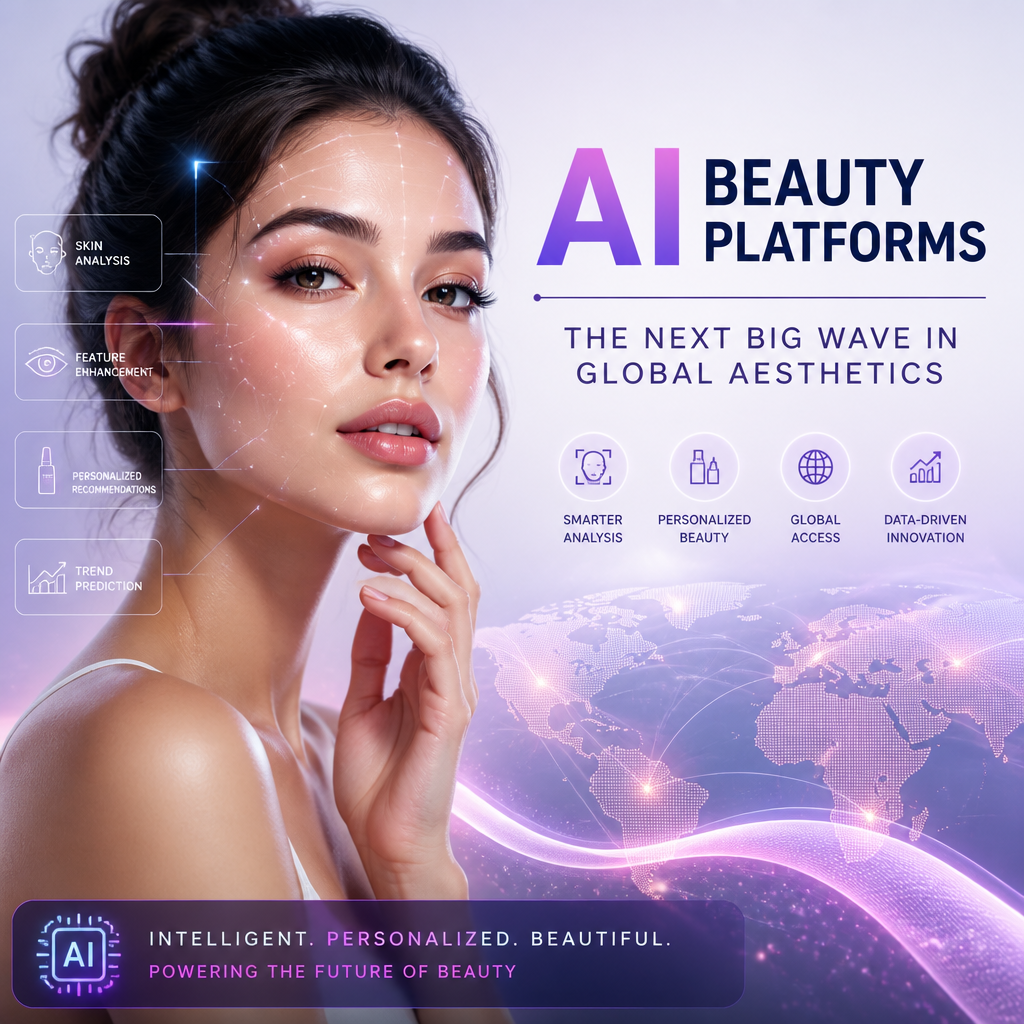
The beauty industry has always evolved with culture, technology, and consumer demand. Today, a new force is reshaping how people discover products, personalize routines, and make aesthetic choices: AI beauty platforms. These digital tools are not just helping brands sell cosmetics. They are transforming the entire experience of global aesthetics, from skin analysis and virtual try-ons to customized recommendations and trend forecasting.
As consumers become more digitally savvy and beauty routines grow more personalized, AI beauty platforms are emerging as one of the most exciting innovations in the industry.
What Are AI Beauty Platforms?
AI beauty platforms are technology-driven systems that use artificial intelligence to analyze user data and deliver tailored beauty solutions. They often combine machine learning, computer vision, and data analytics to help users find the right products, treatments, or styles.
Common features include:
- Virtual makeup try-ons
- Skin and hair analysis
- Personalized skincare recommendations
- Shade matching for foundation and concealer
- Trend prediction for brands and retailers
These platforms are found in mobile apps, e-commerce sites, salon software, and even in-store mirrors. Their goal is simple: make beauty more precise, more personal, and more accessible.
Why They Matter in Global Aesthetics
Beauty standards vary across regions, but the desire for personalization is universal. That is one reason AI beauty platforms are gaining traction worldwide. They help bridge the gap between global brands and local consumer needs.
In traditional beauty retail, shoppers often rely on guesswork. A product might look great on a model or influencer, but not suit their skin tone, texture, or lifestyle. AI helps remove that uncertainty by analyzing individual features and offering data-backed suggestions.
This matters especially in global aesthetics, where consumers expect both inclusivity and convenience. AI platforms can support diverse skin tones, different hair types, and regional beauty preferences in ways that older systems often could not.
The Main Advantages of AI in Beauty
AI is changing beauty because it adds speed, accuracy, and personalization. Instead of browsing dozens of products, users can get results that fit their needs more efficiently.
1. Personalized Recommendations
AI can analyze photos, survey answers, and purchase history to recommend products that match a user’s skin concerns, tone, or desired look. This reduces trial and error and improves satisfaction.
2. Virtual Try-Ons
Consumers can preview lipstick shades, eyeliners, hairstyles, or even glasses before buying. This makes online shopping more interactive and can increase confidence in purchase decisions.
3. Better Skin Insights
Some platforms scan the skin for signs of dryness, acne, dark spots, or fine lines. They then suggest routines or products based on those observations. For skincare users, this creates a more informed and targeted experience.
4. Improved Brand Strategy
For beauty companies, AI provides valuable insights into consumer behavior. Brands can track what products are trending, which shades sell best in different markets, and how customer preferences shift over time.
5. Greater Accessibility
AI beauty platforms can make expert-level guidance more available to people who may not have access to dermatologists, makeup artists, or luxury beauty advisors.
How Brands Are Using AI Beauty Platforms
Beauty brands are moving quickly to integrate AI into their services. Many major companies now use AI-powered shade matching tools, skin analysis apps, and personalized quiz systems to improve customer engagement.
Retailers are also using AI to streamline the shopping journey. In physical stores, smart mirrors and digital assistants can provide instant product suggestions. Online, AI chatbots can answer questions, recommend items, and reduce friction at checkout.
Some brands are going even further by using AI to:
- Develop new product lines based on consumer data
- Localize offerings for specific markets
- Predict ingredient trends
- Create hyper-personalized marketing campaigns
This combination of technology and creativity is helping brands stay competitive in an increasingly global market.
The Consumer Shift Toward Digital Beauty
The rise of AI beauty platforms reflects a bigger shift in consumer behavior. People now expect beauty experiences to be fast, customized, and seamless across devices. They want online tools that feel as helpful as an in-person consultation.
Younger consumers, especially Gen Z and millennials, are comfortable using apps to test looks, compare products, and research ingredients. They are also more likely to value inclusivity, transparency, and innovation.
This is where AI has a clear advantage. It can deliver tailored results at scale while also making the beauty process feel more engaging and less intimidating.
Challenges Ahead
Despite their growth, AI beauty platforms still face important challenges.
Data Privacy
Users must trust that their facial scans, preferences, and personal data are being handled securely and ethically.
Algorithm Bias
If training data is limited or unbalanced, AI tools may not work equally well for all skin tones, hair types, or facial features.
Human Touch
Beauty is emotional and cultural, not just technical. AI can assist with recommendations, but it should not replace professional expertise or human creativity.
Overreliance on Technology
There is also the risk that consumers may depend too heavily on digital tools and lose confidence in their own judgment or preferences.
The best AI beauty platforms will be the ones that combine technology with sensitivity, inclusivity, and transparency.
The Future of Global Aesthetics
The future of beauty is likely to be highly personalized, deeply digital, and more globally connected than ever before. AI beauty platforms will continue to influence how products are developed, marketed, and experienced.
We can expect to see more:
- Real-time skin diagnostics
- AI-powered beauty advisors
- Cross-cultural product personalization
- Smarter supply chains for beauty brands
- Immersive shopping experiences powered by augmented reality and AI
As these tools become more sophisticated, they may redefine what beauty shopping looks like across continents and cultures.
Conclusion
AI beauty platforms are not a passing trend. They represent a major shift in how global aesthetics operate. By combining personalization, convenience, and data-driven insight, they are making beauty more accessible and more responsive to individual needs.
For consumers, this means better recommendations and more confidence in their choices. For brands, it means new opportunities to innovate and connect with diverse audiences. In the years ahead, AI beauty platforms are set to become a central part of the global beauty landscape.