The Unified Beauty OS: How AI Platforms Are Changing Everything
The Fragmentation of Traditional Salon and Retail Software
For years, beauty professionals, salon owners, and cosmetic retailers have struggled with a digital mess. Running a modern beauty business often meant juggling an exhausting lineup of software tools. You might have had one app for booking appointments, another for inventory management, a third for email marketing, and separate analytical dashboards for skin analysis or virtual try-ons. This fragmented approach created massive inefficiencies, data silos, and skyrocketing subscription costs. Enter the Unified Beauty OS—a paradigm shift where comprehensive AI platforms are replacing up to 12 separate industry apps into a single, cohesive ecosystem.
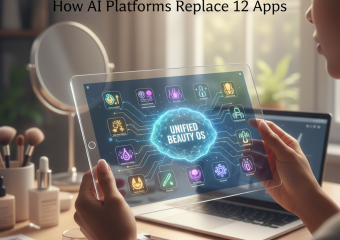
[IMAGE: A sleek modern dashboard showing a unified beauty operating system on a tablet.]
The sheer number 259 might represent a typical yearly software expenditure in dollars or hours spent troubleshooting integrations, but the true cost has always been cognitive overload. Staff members had to learn half a dozen interfaces, and customer data remained trapped in isolated pockets. Today, advanced platform intelligence is changing how beauty brands operate from the ground up, streamlining workflows and creating seamless experiences for both businesses and consumers.
The Rise of Platform Intelligence and Automation
At the core of this transformation is sophisticated artificial intelligence. Modern beauty technology has evolved far beyond simple digital appointment books. By leveraging deep learning and computer vision, a centralized Beauty OS can diagnose skin conditions, predict inventory shortages, recommend personalized product regimens, and trigger automated marketing campaigns—all without human intervention in the data-transfer process.
Streamlining Operations Through Automation
Automation is the secret engine driving these next-generation ecosystems. Instead of manually exporting customer feedback from a booking app to a CRM, an integrated AI platform recognizes patterns automatically. If a client frequently purchases anti-aging serums, the system can instantly adjust future booking suggestions, suggest targeted loyalty perks, and alert the floor manager to stock specific items. This level of synchronization saves countless hours and minimizes human error.
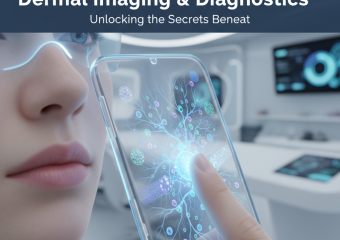
[IMAGE: A beauty professional using an AI-powered tablet to analyze client skin metrics.]
Why Brands Are Transitioning to an All-In-One AI Platform
Transitioning from legacy software to an integrated AI platform is no longer just a futuristic concept; it is a commercial necessity. Salons and cosmetic brands adopting a unified operating system report immediate improvements in operational efficiency. Here are some of the key benefits driving this shift:
- Reduced Overhead Costs: Eliminating a dozen separate software subscriptions drastically cuts monthly overhead.
- Enhanced Customer Experience: Clients enjoy a personalized, frictionless journey from virtual consultation to final checkout.
- Unified Data Analytics: Business owners gain holistic insights into sales, staff performance, and consumer behavior in one dashboard.
Looking Ahead: The Future of Connected Cosmetics
As consumer expectations continue to rise, the demand for cohesive, intelligent technology will only accelerate. The era of toggling between a dozen disparate applications is rapidly coming to an end. By embracing a unified operating system powered by advanced intelligence, beauty businesses can focus less on managing software and more on what truly matters: making their clients look and feel amazing.