How AI Hair Integrity Mapping Is Personalizing Salon Consultations
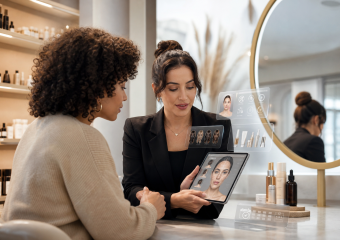
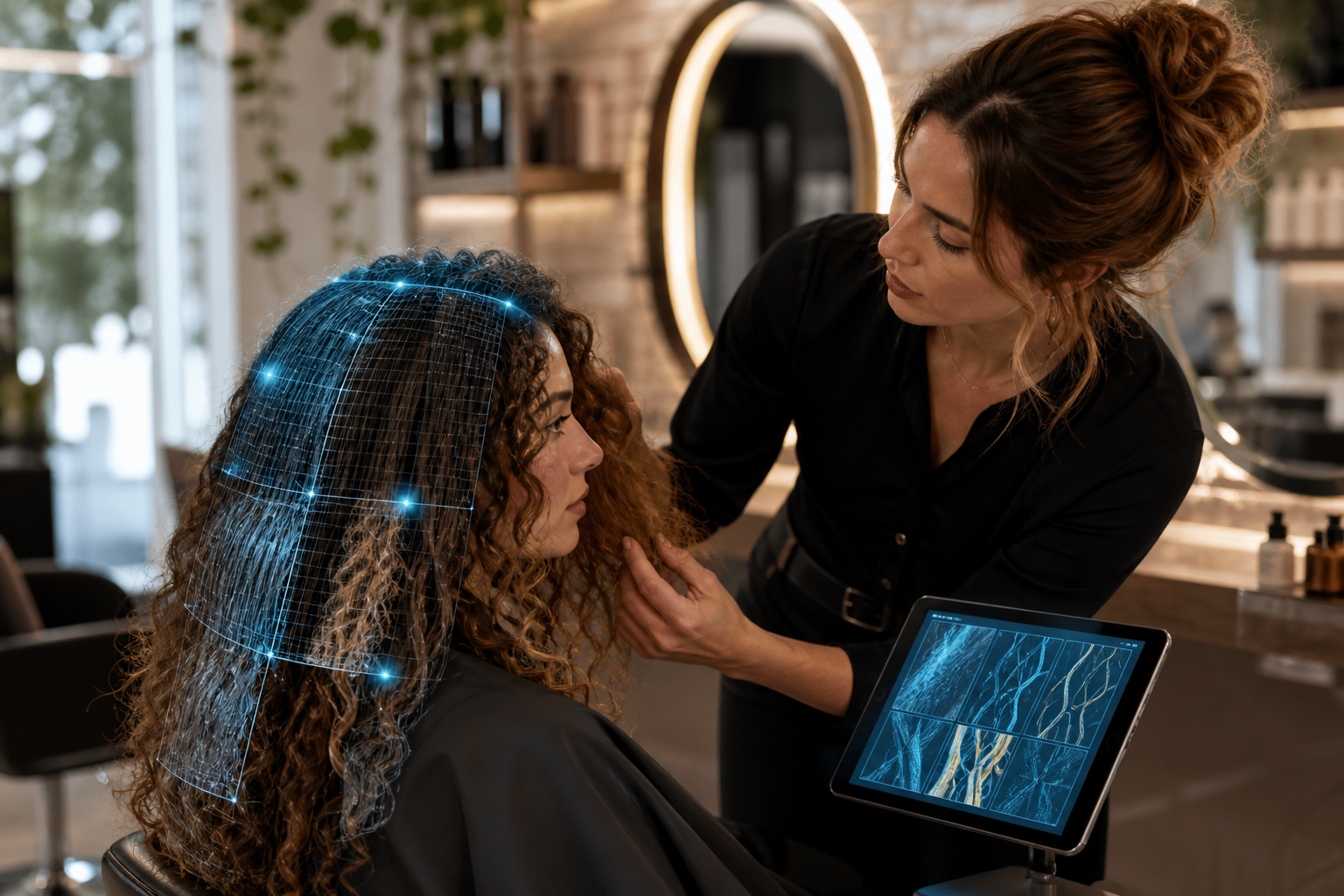
AI-powered hair analysis uses imaging and data modeling to assess characteristics such as texture, density, damage, and overall condition. This information can give salon professionals a more structured understanding of differences across the hair before recommending cuts, styling approaches, or treatments.
Hair integrity mapping may also support personalized chemical and heat services, as well as monitoring changes across appointments. These tools are intended to complement, not replace, the expertise and judgment of qualified hairstylists and hair-care specialists.
Artificial intelligence is introducing new ways for salons and beauty professionals to understand hair condition before recommending a cut or treatment. Traditional consultations often depend on visual inspection and client descriptions, but AI-powered hair analysis can provide a more structured view of hair characteristics. By analyzing factors such as texture, density, damage patterns, and overall hair condition, these technologies can support more personalized salon consultations.
AI hair integrity mapping focuses on understanding the condition and structure of hair across different areas. Advanced imaging systems can capture detailed information about the hair, while AI models can analyze visual patterns that may be difficult to assess consistently with the human eye. This information can help professionals identify differences between sections of the hair and better understand how previous treatments or environmental factors may have affected it.
One potential application is precision haircut planning. Hair does not always have the same density, texture, or condition from root to tip. AI-assisted analysis can help professionals consider these differences when planning a haircut or styling approach. Instead of applying the same strategy across the entire head, stylists can use detailed information to support more individualized decisions.
AI hair mapping can also be useful when planning professional treatments. Coloring, chemical services, heat styling, and other processes can affect hair differently depending on its existing condition. By providing additional information about hair integrity, AI tools may help professionals make more informed decisions about which services are appropriate and how treatments should be approached.
Another important benefit is ongoing hair monitoring. Salons could potentially use imaging and AI analysis to compare hair condition across multiple appointments. This creates an opportunity to track changes over time and give clients a clearer understanding of how their hair responds to different care routines and professional services. However, AI analysis should support—not replace—the experience and professional judgment of qualified hairstylists and hair-care specialists.
As AI technology continues to develop, hair analysis could become an important part of the modern salon experience. The combination of imaging, data analysis, and professional expertise may allow salons to move toward more personalized hair services. AI hair integrity mapping represents a shift from simply choosing a hairstyle to using technology to better understand individual hair characteristics before creating a personalized cutting and treatment strategy.