Why Autonomous Client Profiling Is the Future of Beauty & Aesthetics
The Evolution of Aesthetic Consultations
The beauty and aesthetics industry is undergoing a paradigm shift. Traditional client intake methods—relying on paper questionnaires, manual skin assessments, and subjective practitioner evaluations—are rapidly being replaced by advanced technological solutions. Autonomous client profiling leverages artificial intelligence (AI), machine learning, and advanced imaging to transform how clinics understand, engage, and treat their clientele.
What Is Autonomous Client Profiling?
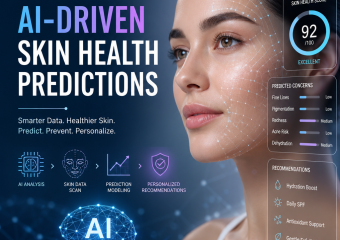
Autonomous client profiling refers to the automated, continuous collection and analysis of a client’s skin health, aesthetic preferences, medical background, and lifestyle factors. Utilizing high-resolution facial scanning, predictive algorithms, and integrated data analytics, these systems map out comprehensive client profiles without requiring exhaustive manual input from clinic staff.
Key Components of Autonomous Profiling Systems
- Advanced Skin Imaging: Multispectral imaging captures subsurface concerns such as UV damage, hyperpigmentation, vascular lesions, and early wrinkle formation.
- Predictive Behavior Analytics: AI models analyze past treatment responses and booking habits to forecast future aesthetic needs.
- Dynamic Risk Assessment: Automated cross-referencing of medical histories flags potential contraindications for injectables, lasers, and chemical peels.
Clinical Benefits for Aesthetic Practices
Implementing autonomous client profiling offers profound advantages for both practitioners and patients. By streamlining the intake process, clinics can optimize operational efficiency while elevating the standard of care.
1. Enhanced Diagnostic Precision
Human eyes can miss subtle structural changes or early dermal aging. AI-powered diagnostic tools quantify skin metrics objectively, establishing a reliable baseline. This allows practitioners to track treatment efficacy over time with empirical data rather than subjective guesswork.
2. Hyper-Personalized Treatment Plans
Consumers today expect bespoke experiences. Autonomous profiling aggregates granular data to recommend tailored medical-grade skincare regimens and clinical treatments. Personalization fosters deeper trust, higher conversion rates, and superior long-term clinical outcomes.
3. Improved Safety and Compliance
Risk mitigation is paramount in aesthetic medicine. Automated systems ensure consistent screening protocols are executed for every single client, significantly reducing human error during medical history evaluations and lowering the risk of adverse events.
The Future Outlook for Beauty and Wellness
As consumer demand for customized aesthetic treatments continues to surge, clinics that adopt autonomous client profiling will lead the market. This technology does not replace the human touch; rather, it empowers aesthetic physicians, dermatologists, and clinicians with data-driven insights, allowing them to focus on what matters most: expert execution and empathetic patient care.
Conclusion
Autonomous client profiling represents the intersection of technology and clinical excellence in modern aesthetics. By automating data collection, enhancing diagnostic accuracy, and delivering hyper-personalized care pathways, aesthetic practices can future-proof their operations and set a new benchmark for patient satisfaction.