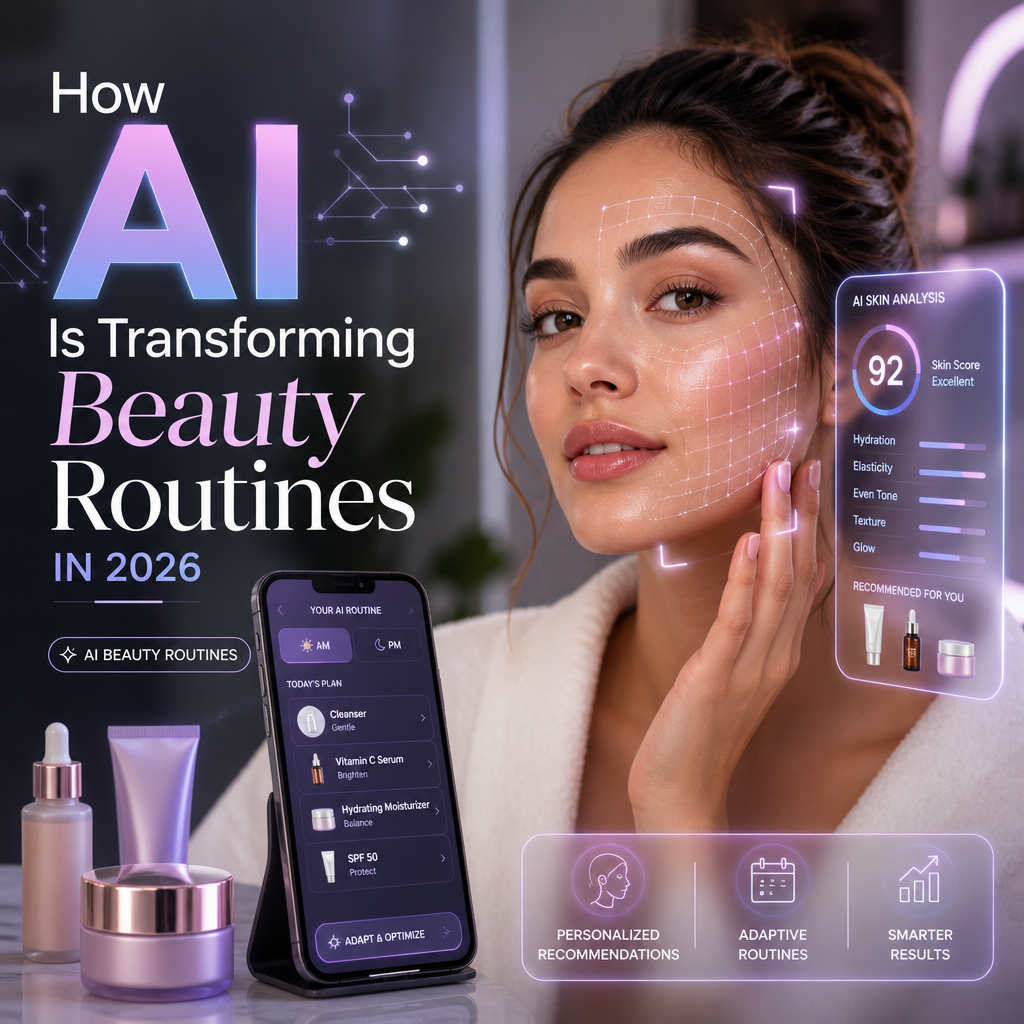
How AI Is Transforming Beauty Routines in 2026
How AI Is Transforming Beauty Routines: The 2026 Consumer Shift
Beauty routines are changing fast, and artificial intelligence is at the center of that shift. In 2026, consumers are no longer looking only for trendy products or celebrity-backed launches. They want smarter, faster, and more personalized routines that fit their skin, schedule, and budget.
This is where AI is transforming beauty routines in a big way. From skin analysis to tailored product recommendations, AI is helping people make better decisions with less trial and error. The result is a new kind of beauty experience: more data-driven, more convenient, and more customized than ever before.
From Guesswork to Personalized Beauty
For years, many people built routines by watching tutorials, reading reviews, or testing products one by one. That approach still exists, but AI has made the process far more precise.
Today, beauty apps and smart tools can analyze skin tone, texture, hydration, and even environmental factors. Based on that data, they can suggest cleansers, serums, moisturizers, and makeup shades that are more likely to work for each person.
What consumers want now
The 2026 consumer shift is all about personalization. People expect beauty brands to understand:
- Their skin type and concerns
- Local climate and seasonal changes
- Ingredient preferences and sensitivities
- Lifestyle habits and time constraints
- Budget and product availability
Instead of choosing from endless shelves, consumers want curated options that feel made for them.
Smart Skin Analysis Is Becoming Mainstream
One of the biggest drivers of this shift is AI-powered skin analysis. Using a phone camera or smart mirror, users can get instant feedback on their skin condition. These tools can spot signs of dryness, dullness, fine lines, redness, and acne-prone areas.
For many consumers, this creates a more confident shopping experience. Rather than relying on marketing claims, they can see data-based recommendations that explain why a product might help.
Why this matters
Smart skin analysis helps reduce:
- Overbuying products that do not match skin needs
- Confusion about ingredients and routines
- Waste from unused or ineffective products
- Frustration from inconsistent beauty results
In a crowded market, that level of clarity is becoming a major advantage.
AI Is Reshaping Product Discovery
Finding the right beauty product used to depend heavily on social media trends and in-store advice. In 2026, AI is changing how discovery works.
Recommendation engines now track user behavior, preferences, and past purchases to suggest products that are more relevant. Some platforms also factor in reviews, ingredient safety, and compatibility with other items already in a routine.
This means consumers are not just discovering more products. They are discovering better-matched products.
A more efficient shopping journey
AI reduces the number of steps between “I have a beauty concern” and “I found a solution.” That makes shopping feel:
- Faster
- Less overwhelming
- More trustworthy
- More personalized
For busy consumers, this convenience is a major reason AI adoption keeps growing.
Virtual Try-On Tools Are Boosting Confidence
Makeup and hair color are especially benefiting from AI. Virtual try-on tools let consumers preview lipstick shades, foundation matches, eye looks, and hair color changes before buying.
This solves one of beauty retail’s biggest pain points: uncertainty. Shoppers can now test options digitally without visiting a store or opening multiple samples.
Benefits of virtual try-on
- Better shade matching
- Lower return rates
- More confident purchase decisions
- A more interactive shopping experience
As cameras and augmented reality improve, these tools are becoming more realistic and useful. That makes them a key part of how AI is transforming beauty routines in everyday life.
The Rise of Routine Assistants
AI is not just helping with product selection. It is also becoming a daily routine assistant.
Consumers can now receive reminders for skincare steps, track product usage, and get alerts when ingredients should be swapped based on changing conditions. Some tools even suggest morning or evening adjustments depending on weather, travel, or stress levels.
This turns beauty from a static routine into something dynamic and responsive.
Examples of AI support in routines
- Morning routine reminders
- Ingredient compatibility checks
- Seasonal routine updates
- Progress tracking over time
- Personalized regimen adjustments
For users who want consistency but dislike complexity, this kind of support is especially valuable.
What 2026 Consumers Expect From Beauty Brands
The modern beauty customer is more informed and selective than ever. AI has raised expectations across the industry.
Brands are now expected to provide:
- Personalized product recommendations
- Transparent ingredient information
- Fast digital tools for decision-making
- Inclusive shade and skin tone matching
- A smoother online-to-offline experience
If a brand cannot offer these features, consumers are more likely to move on.
Challenges and Consumer Concerns
Even with all its benefits, AI in beauty is not perfect. Some consumers still worry about data privacy, biased algorithms, and overly generic recommendations. Others question whether technology can truly understand the emotional side of beauty routines.
These concerns are valid. The most successful brands in 2026 will be the ones that combine AI with human expertise, clear communication, and strong privacy standards.
The Future of Beauty Is Smarter and More Personal
The biggest change in 2026 is not just that beauty tools are more advanced. It is that consumers now expect beauty to adapt to them.
AI is transforming beauty routines by making them more personal, efficient, and informed. Whether it is a skin analysis app, a virtual try-on feature, or a routine assistant that knows when to recommend a change, AI is helping people build routines that actually fit their lives.
As the technology improves, the beauty experience will become even more seamless. The brands that embrace this shift will not just sell products. They will help shape a smarter, more responsive kind of self-care.